Acidic foods that balance rich meals (and why they work so well)

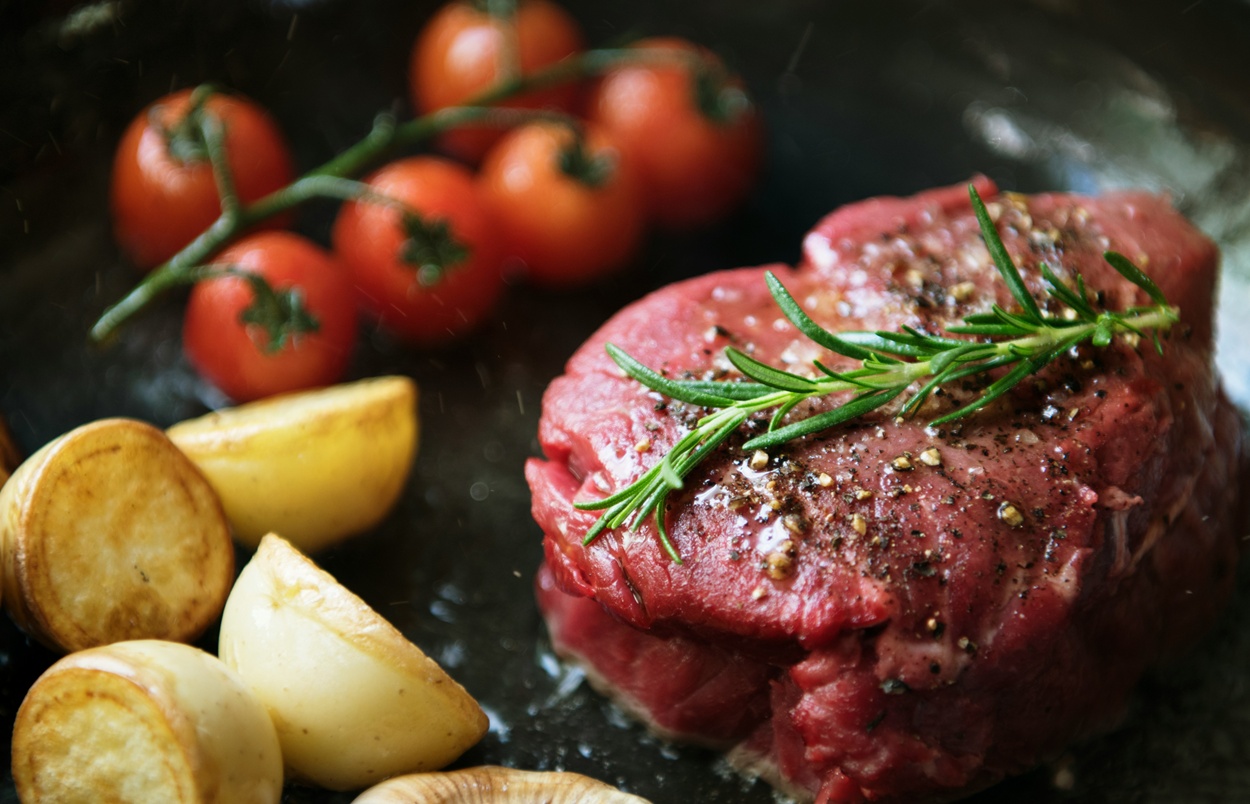


Rich, hearty foods are undeniably satisfying, but they can also leave your palate feeling weighed down after a few bites. That’s where acidic ingredients come in.
Whether it’s a squeeze of fresh lemon over grilled salmon, a spoonful of pickled onions on a brisket sandwich, or a bright vinaigrette served alongside a creamy pasta, acidity brings balance by cutting through richness and making every bite feel fresher.
Professional chefs rely on this principle constantly. In fact, many dishes that seem perfectly balanced owe their success not to extra butter or seasoning, but to a carefully chosen acidic ingredient added at just the right moment. A splash of vinegar, a handful of tomatoes, or even a few tart berries can transform a meal that feels heavy into one that’s vibrant and satisfying from the first bite to the last.
Understanding which acidic foods pair best with rich dishes is one of the easiest ways to improve your cooking. Here are some of the most effective ingredients to keep in your kitchen — and the kinds of meals they complement best.

Few ingredients are as versatile as lemons. Their bright acidity cuts through fatty fish, buttery sauces, creamy pastas, and roasted meats without masking their flavor.
A squeeze of fresh lemon just before serving often adds more balance than additional salt or seasoning ever could.
Best with: Salmon, shrimp, roast chicken, creamy pasta, risotto, fried foods

Limes deliver a sharper, slightly more aromatic acidity than lemons, making them a favorite in Mexican, Thai, Vietnamese, and Caribbean cooking.
They’re especially effective at balancing rich avocado, coconut milk, grilled meats, and spicy dishes.
Best with: Tacos, curries, grilled shrimp, pork, guacamole, rice bowls
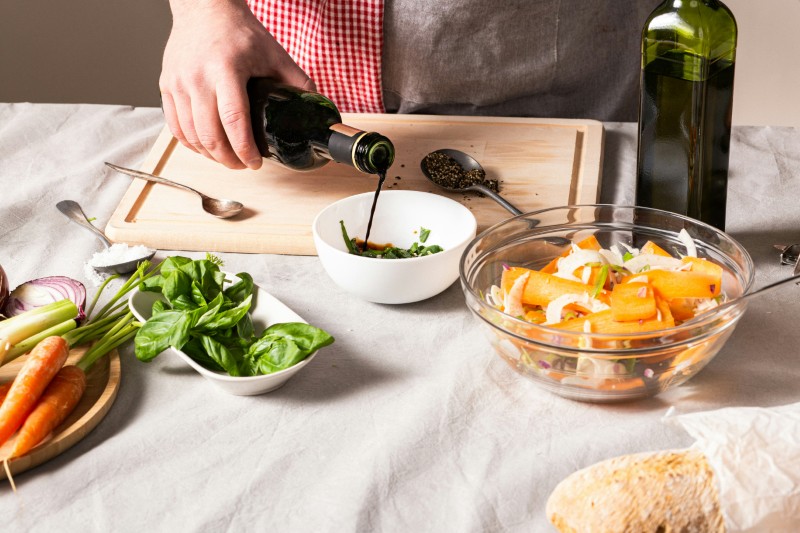
Vinegar comes in many forms, each offering its own personality. Apple cider vinegar provides gentle fruitiness, red wine vinegar has bold tanginess, balsamic adds sweetness alongside acidity, while rice vinegar delivers a softer finish.
Even a small splash can brighten soups, stews, braises, and roasted vegetables.
Best with: Pot roast, braised beef, salads, roasted vegetables, barbecue

Pickled onions have become a favorite topping for good reason. Their crisp texture and bright acidity instantly lighten rich meats and creamy dishes while adding a pleasant crunch.
They’re particularly useful on sandwiches and tacos.
Best with: Brisket, burgers, pulled pork, tacos, grain bowls

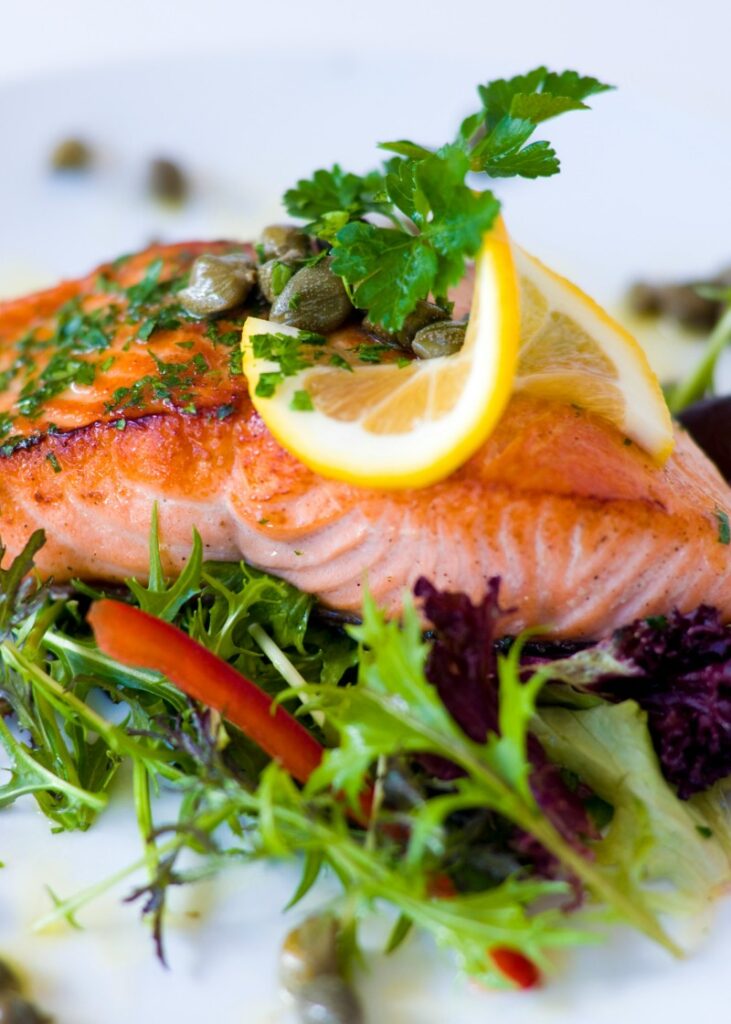
Tiny but intensely flavorful, capers combine saltiness with a pleasant tang that cuts through buttery sauces and rich seafood.
A little goes a long way.
Best with: Salmon, chicken piccata, tuna, pasta, roasted vegetables
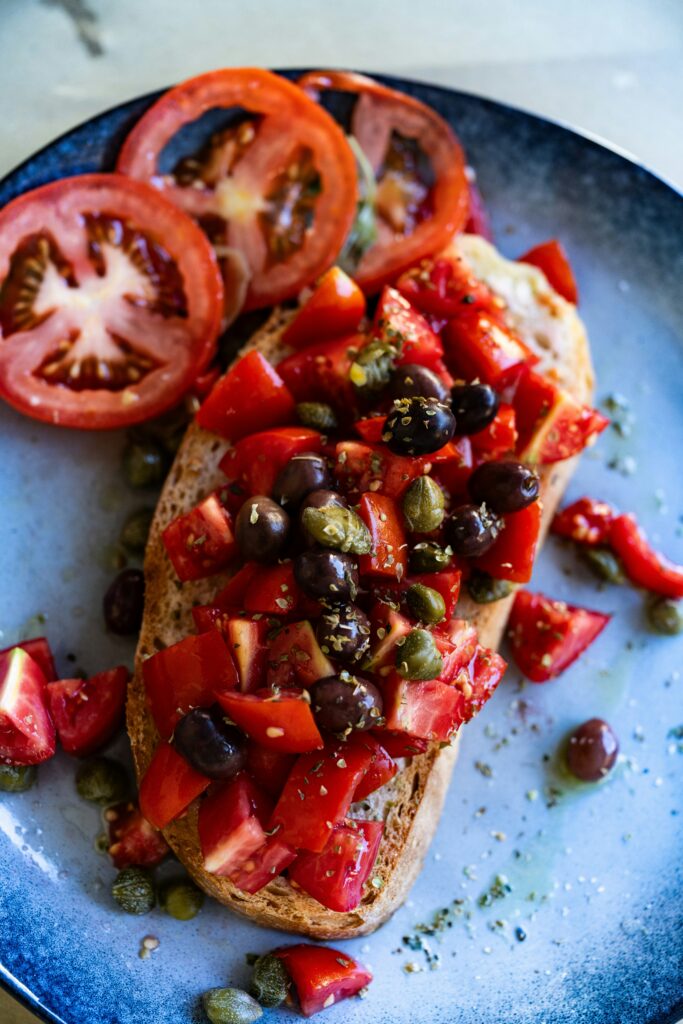
Although many people think of tomatoes primarily as sweet, they’re naturally acidic as well. Their brightness helps balance cheeses, olive oil, cream, and grilled meats.
Fresh tomatoes generally provide more noticeable acidity than cooked sauces.
Best with: Pizza, pasta, grilled chicken, mozzarella, burgers

Beyond lemons and limes, oranges, grapefruits, mandarins, and blood oranges can all add welcome brightness to rich dishes.
Their sweetness softens the acidity, making them particularly versatile in salads and seafood dishes.
Best with: Duck, salmon, pork, roasted vegetables, spinach salads

Mustard contributes acidity thanks to the vinegar used in its preparation, while also adding subtle heat and complexity.
It works beautifully in sauces, dressings, and marinades.
Best with: Steak, roast beef, pork tenderloin, chicken, potato salad
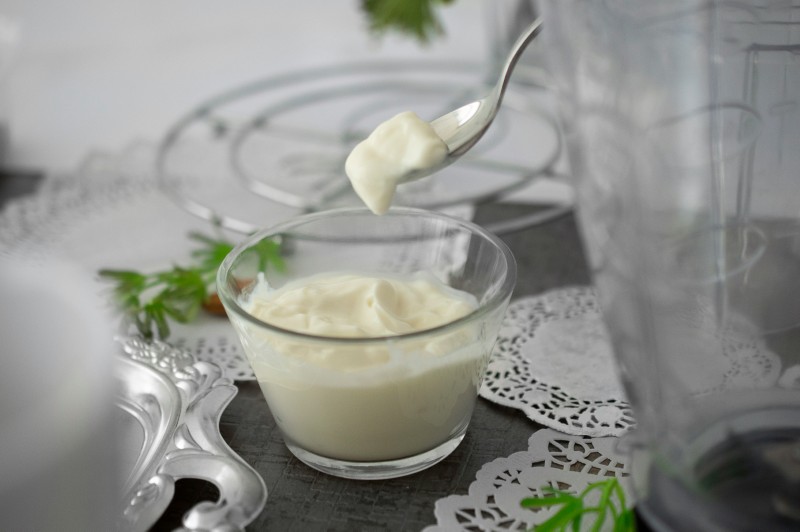
While creamy, yogurt also contains natural acidity from fermentation. This combination allows it to cool spicy foods while preventing rich dishes from feeling overly heavy.
Greek yogurt is especially versatile.
Best with: Lamb, curry, grilled chicken, roasted vegetables, kebabs

Sour cream offers a similar balancing effect, adding richness alongside a pleasant tang. It’s especially effective on spicy or heavily seasoned foods.
Best with: Chili, tacos, baked potatoes, enchiladas, nachos
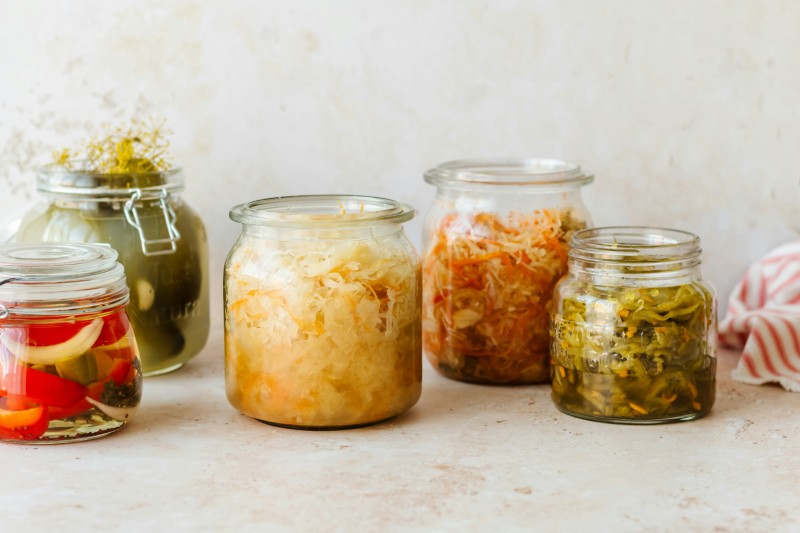
Kimchi, sauerkraut, and other fermented vegetables deliver both acidity and complex savory flavors. Their crisp texture also provides welcome contrast alongside slow-cooked meats.
They’re increasingly common outside traditional cuisines thanks to their bold flavor.
Best with: Pork, sausages, burgers, fried chicken, rice bowls

Raspberries, cranberries, cherries, and blackberries add natural acidity alongside sweetness, making them excellent companions for rich meats and creamy desserts.
Their bright flavor keeps heavier dishes from becoming overwhelming.
Best with: Duck, pork, cheesecake, chocolate desserts, brie
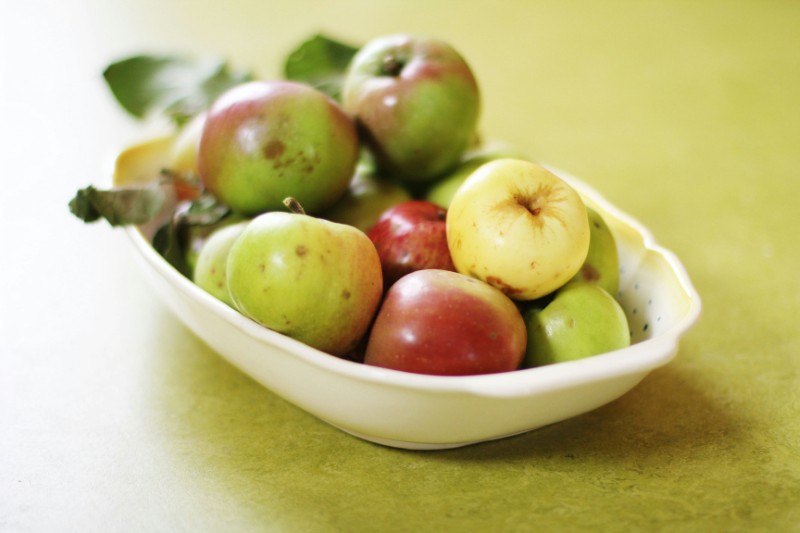
Tart apples provide acidity, crunch, and a touch of sweetness all at once. They’re often paired with rich cheeses or fatty pork for exactly this reason.
Thin slices also work well in salads.
Best with: Pork chops, cheddar, blue cheese, roast turkey

Pineapple brings tropical sweetness balanced by bright acidity, making it a natural match for smoky and salty foods.
It also helps lighten rich barbecue dishes.
Best with: Ham, pulled pork, grilled chicken, barbecue, fried rice
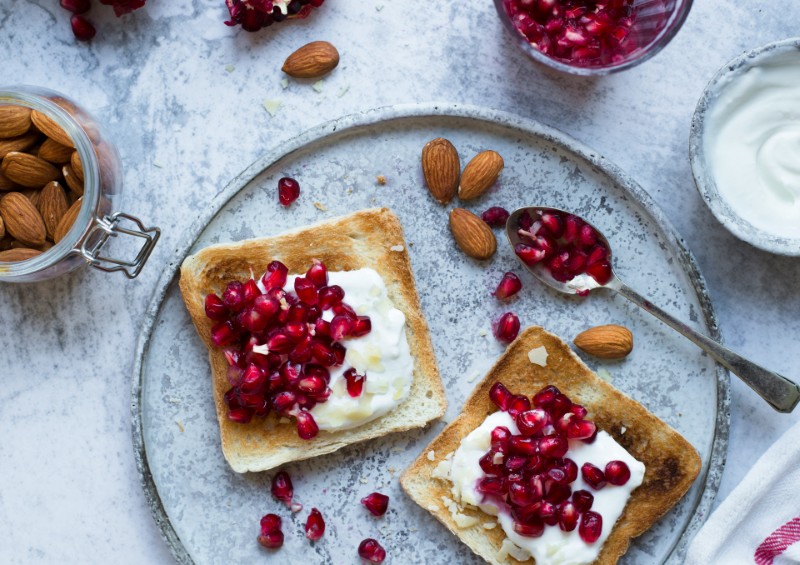
Pomegranate seeds add bursts of juicy acidity along with a pleasant crunch. Their sweet-tart flavor brightens roasted meats and grain-based dishes.
They’re also visually striking, making them a favorite garnish.
Best with: Lamb, roast chicken, couscous, salads, roasted squash
While herbs aren’t highly acidic themselves, varieties like sorrel, lemon balm, and lemon verbena contribute bright, citrus-like flavors that mimic the refreshing quality of acidic ingredients.
Combined with actual citrus juice, they create exceptionally balanced dishes.
Best with: Seafood, chicken, salads, light pasta dishes
Acidity doesn’t simply make food taste sour—it changes how we perceive every other flavor on the plate. It brightens herbs, makes sweet ingredients taste more vibrant, balances salt, and prevents rich fats from overwhelming your palate.
That’s why you’ll often see chefs finish a dish with a squeeze of lemon, a drizzle of vinegar, or a handful of pickled vegetables just before serving. These small additions don’t dominate the meal—they bring everything else into sharper focus.
The goal isn’t to make a rich meal taste acidic. Instead, acidity should act as a counterpoint, adding just enough brightness to keep each bite interesting. Start with small amounts, taste as you go, and let the richness and acidity work together rather than compete.
Whether you’re cooking a buttery pasta, a slow-braised roast, grilled salmon, or a smoky barbecue feast, adding the right acidic ingredient is one of the simplest ways to make the entire meal feel fresher, lighter, and more balanced.