


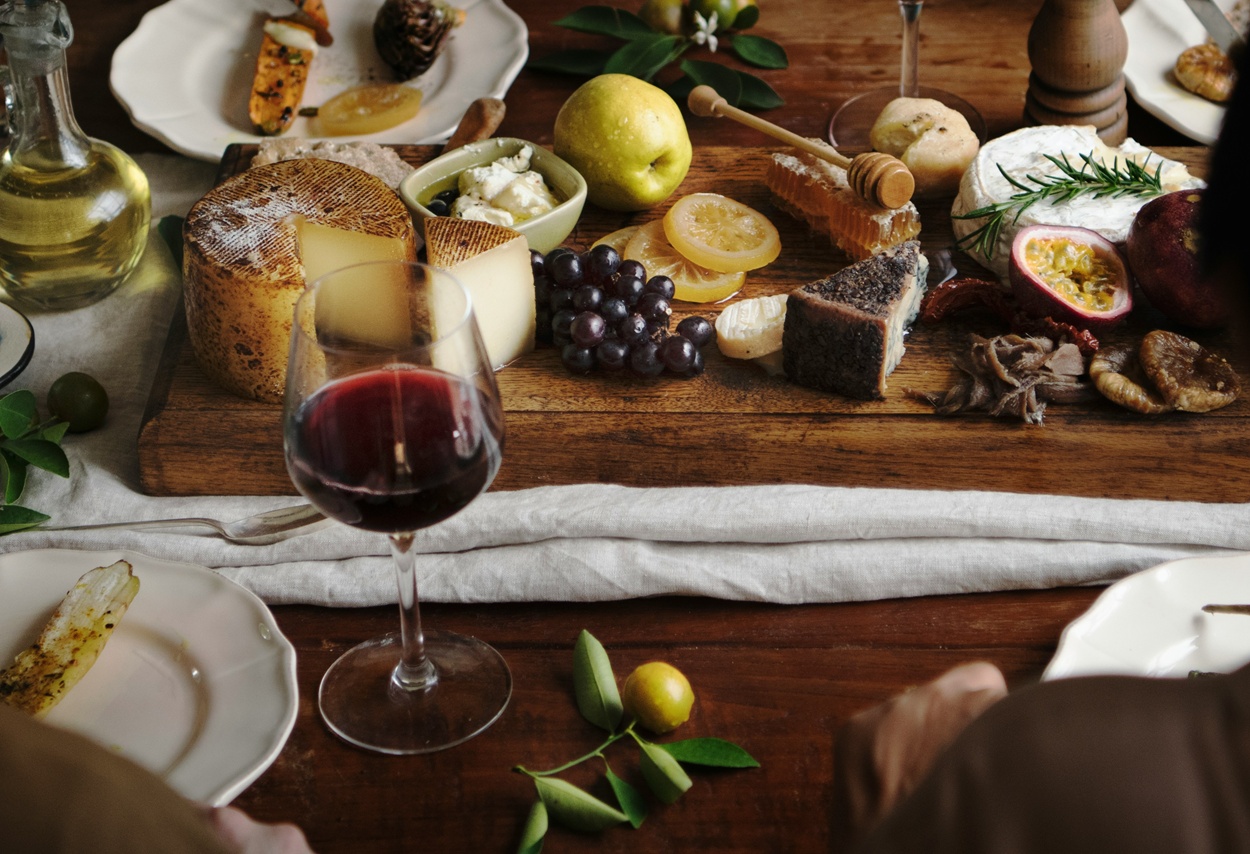
Wine and cheese have been enjoyed together for centuries, but the pairing isn’t just a culinary tradition—it also makes sense from a flavor and science perspective.
The right combination allows each to bring out the best in the other, creating a more balanced and enjoyable tasting experience.
It’s all about balance
One of the biggest reasons wine and cheese work so well together is balance.
Cheese is often rich, creamy, and high in fat, while wine typically contains acidity and tannins. The acidity in wine cuts through the richness of the cheese, cleansing your palate and making each bite taste as satisfying as the first.
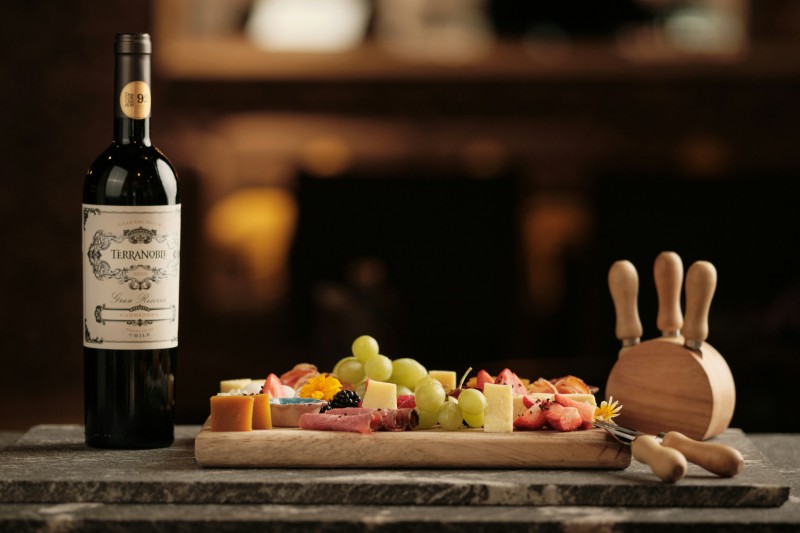
Texture plays a role, too
Creamy cheeses coat your mouth, but a crisp white wine or sparkling wine helps refresh your palate between bites. Firmer cheeses, meanwhile, can stand up to fuller-bodied red wines with more structure and tannins.
Similar flavors naturally complement each other
Many wines and cheeses share flavor notes such as nuttiness, fruitiness, earthiness, or hints of herbs. When these flavors overlap, they create a harmonious pairing.
For example, a nutty Gruyère pairs beautifully with Chardonnay, while the fruity notes in Brie are enhanced by Champagne.
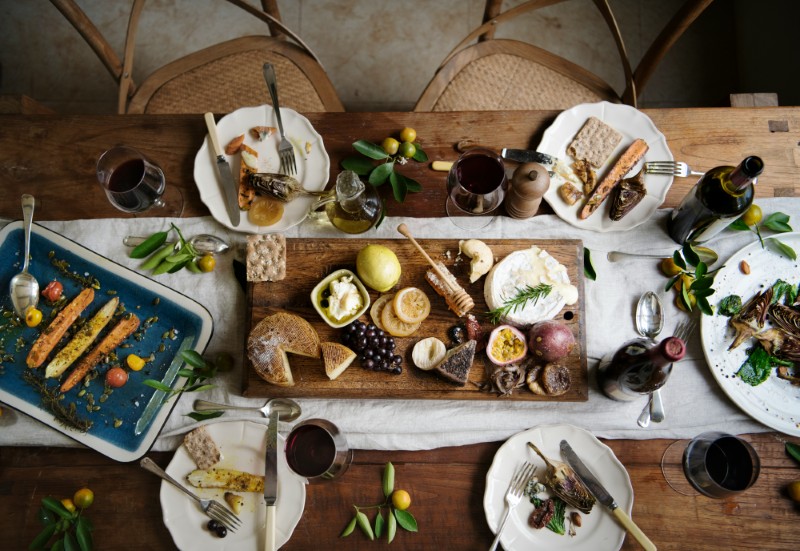
Regional pairings often work best
There’s a simple rule that many sommeliers swear by: what grows together often goes together. Wines and cheeses produced in the same region have evolved alongside one another and frequently make excellent partners. Think French Brie with Champagne or Italian Parmesan with Chianti.
There’s no single “perfect” pairing
While there are classic combinations, taste is ultimately personal. Some people prefer bold reds with aged cheddar, while others enjoy fresh goat cheese with Sauvignon Blanc. The best pairing is the one you enjoy most.

The takeaway
Wine and cheese pair so well because they balance each other’s textures and flavors. The wine refreshes your palate, the cheese softens the wine’s sharper edges, and together they create a tasting experience that’s often better than either one on its own. Whether you’re putting together a simple snack or a full charcuterie board, it’s a pairing that’s stood the test of time for good reason.