Umami food pairings: the secret to richer, more satisfying meals
Here are some of the most reliable umami pairings and why they work so well.

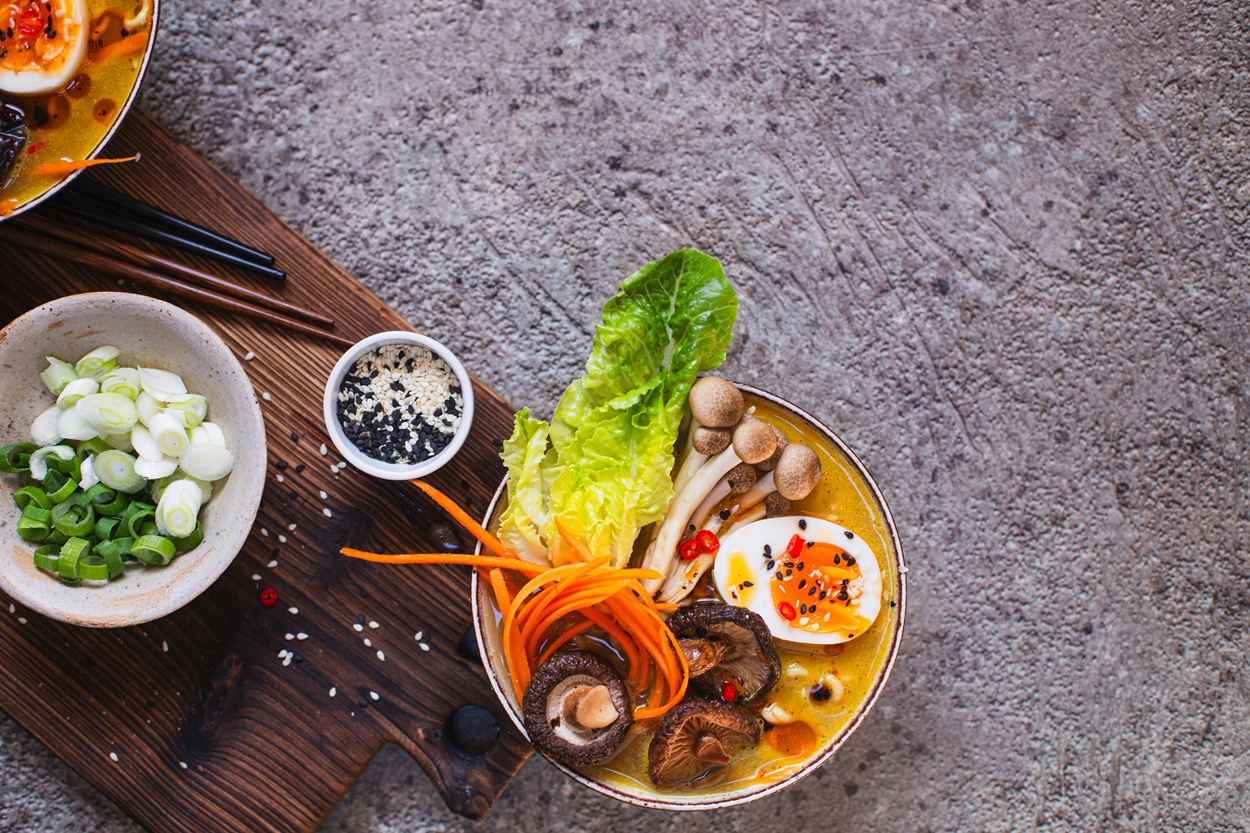


Sweet, salty, sour, and bitter are the four tastes most people are familiar with, but there’s a fifth one that’s just as important: umami.
Often described as savory, meaty, or deeply satisfying, umami is the flavor that gives Parmesan cheese its richness, mushrooms their earthiness, and slow-cooked beef its unmistakable depth.
The word umami comes from Japanese and roughly translates to “pleasant savory taste.” Scientists now know it’s triggered by naturally occurring compounds called glutamates and nucleotides, which are found in a wide variety of foods.
When two umami-rich ingredients are paired together — or when an umami ingredient is combined with something bright, creamy, or sweet — the result is often a dish that tastes fuller, more complex, and surprisingly irresistible.
Understanding umami pairings can instantly improve your cooking. You don’t need expensive ingredients or complicated techniques; often, it’s simply a matter of knowing which foods naturally amplify one another. Here are some of the most reliable umami pairings and why they work so well.
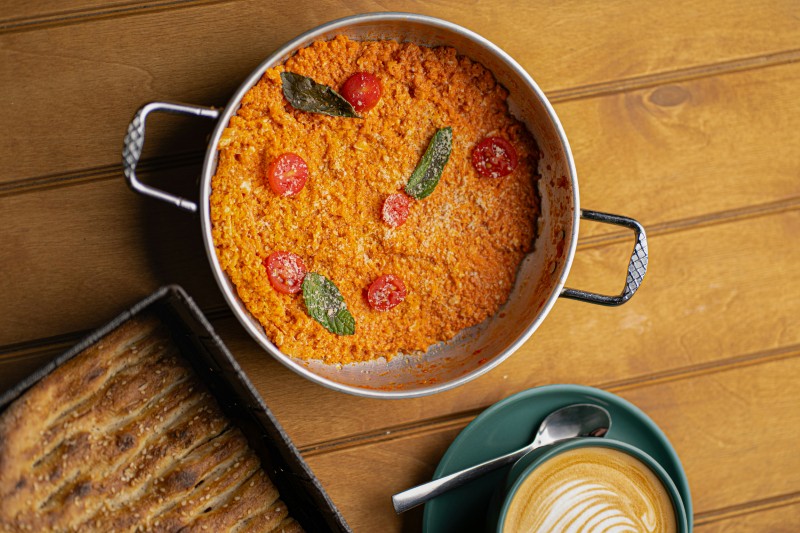
This classic Italian combination is a textbook example of umami synergy. Ripe tomatoes are naturally rich in glutamates, while aged Parmesan contains both glutamates and compounds developed during the aging process that intensify savory flavors.
Together, they create a depth that’s greater than either ingredient delivers on its own.
Try it in: Pasta dishes, Caprese salads, pizzas, roasted tomatoes, soups
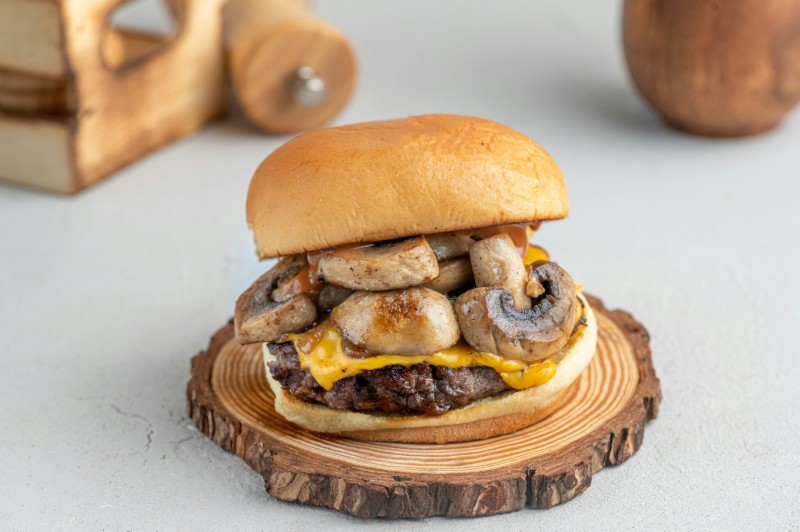
Few combinations feel as naturally satisfying as mushrooms and beef. Both are rich in savory compounds, and mushrooms absorb meat juices beautifully while adding their own earthy character.
Whether it’s a steak topped with sautéed mushrooms or a slow-cooked beef stew, this pairing delivers layers of flavor.
Try it in: Steak dinners, burgers, beef stroganoff, shepherd’s pie
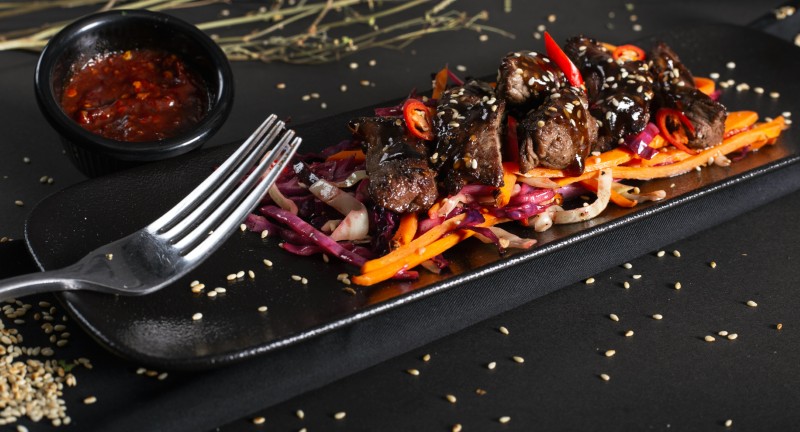
Soy sauce is one of the world’s most concentrated natural sources of umami. When used as a marinade or finishing sauce, it enhances the savory qualities already present in beef, pork, chicken, and seafood.
Its saltiness also helps balance rich cuts of meat.
Try it in: Marinades, stir-fries, grilled steaks, chicken thighs
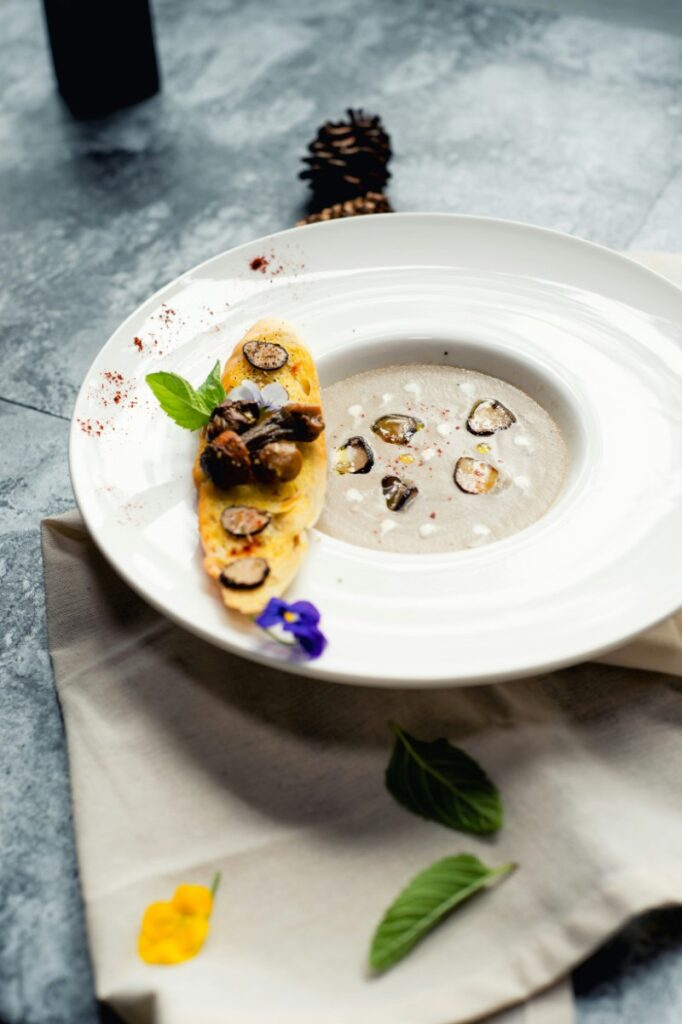
Cream softens the earthiness of mushrooms while allowing their savory notes to shine. The result feels luxurious without becoming overly heavy.
It’s a pairing that’s equally at home in simple weeknight dinners and elegant restaurant dishes.
Try it in: Risotto, pasta sauces, soups, chicken dishes
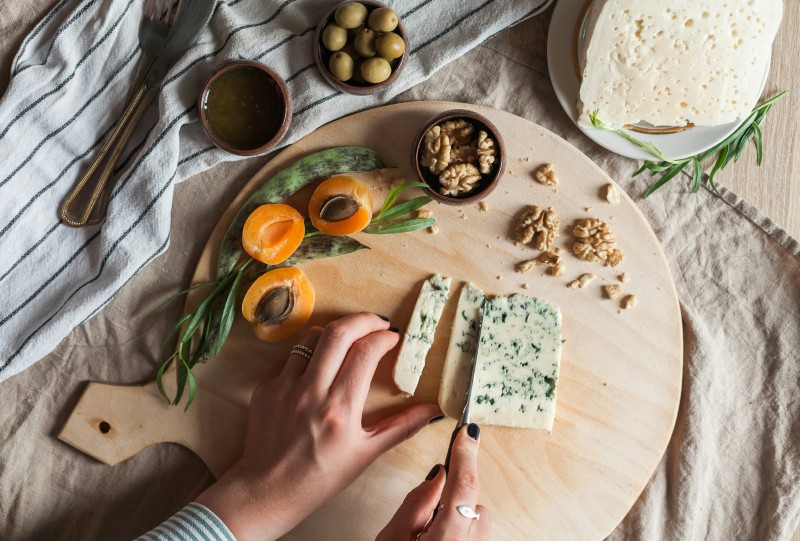
Hard cheeses like Parmesan, Pecorino Romano, Gruyère, and aged cheddar become increasingly rich in umami as they mature. Pairing them with toasted walnuts, almonds, or hazelnuts adds crunch and subtle sweetness that balances their intensity.
Try it on: Cheese boards, salads, pasta, roasted vegetables
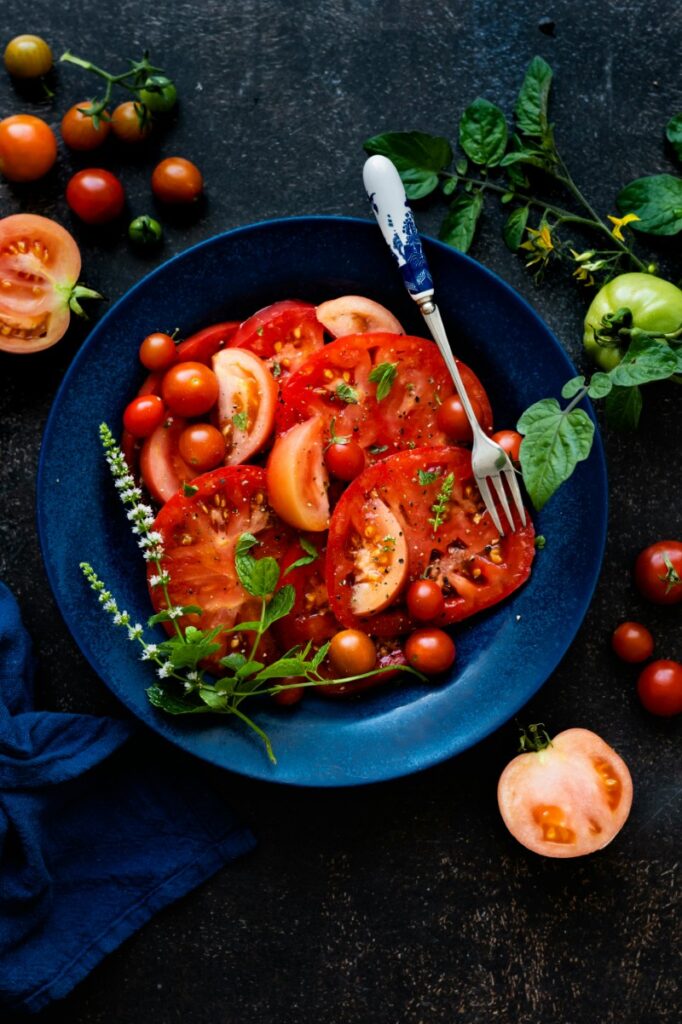
While basil isn’t particularly high in umami, its bright, aromatic flavor highlights the natural savoriness of ripe tomatoes. This contrast creates a pairing that feels fresh, balanced, and endlessly versatile.
Sometimes the best umami pairings include an ingredient that lifts rich flavors rather than adding even more of them.
Try it in: Salads, bruschetta, pasta, sandwiches
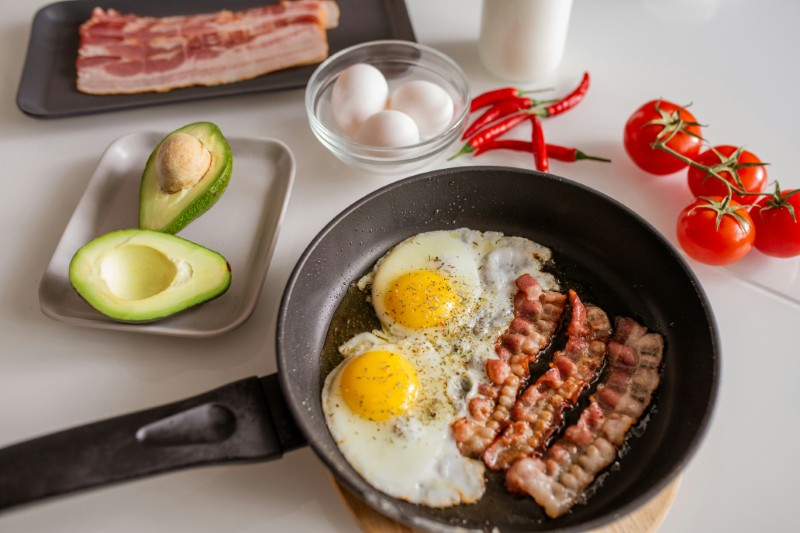
Breakfast offers one of the most familiar examples of umami at work. Smoky bacon contributes deep savory notes, while eggs provide richness and a creamy texture that complements them perfectly.
It’s a simple pairing that has stood the test of time.
Try it in: Breakfast sandwiches, omelets, brunch plates
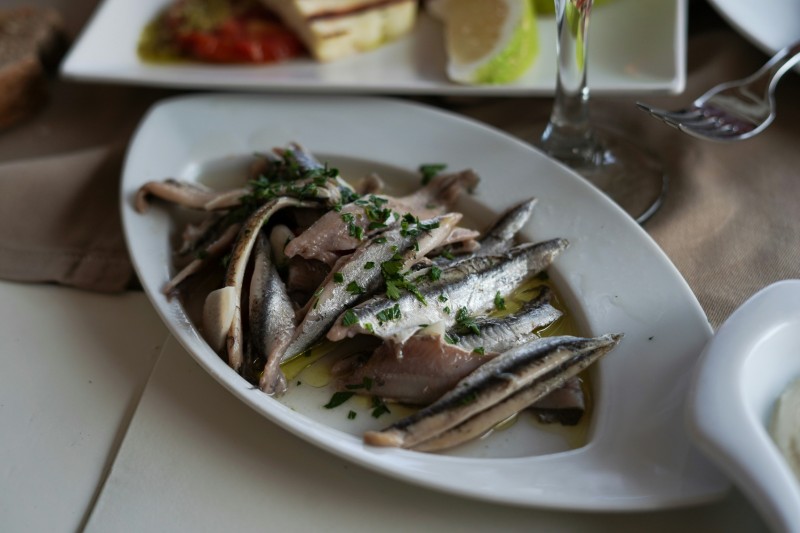
Anchovies often disappear into a dish rather than standing out. Instead, they melt into sauces and dressings, quietly adding layers of savory flavor.
Combined with garlic, they create the backbone of countless Mediterranean recipes.
Try it in: Caesar dressing, pasta sauces, roasted vegetables, vinaigrettes
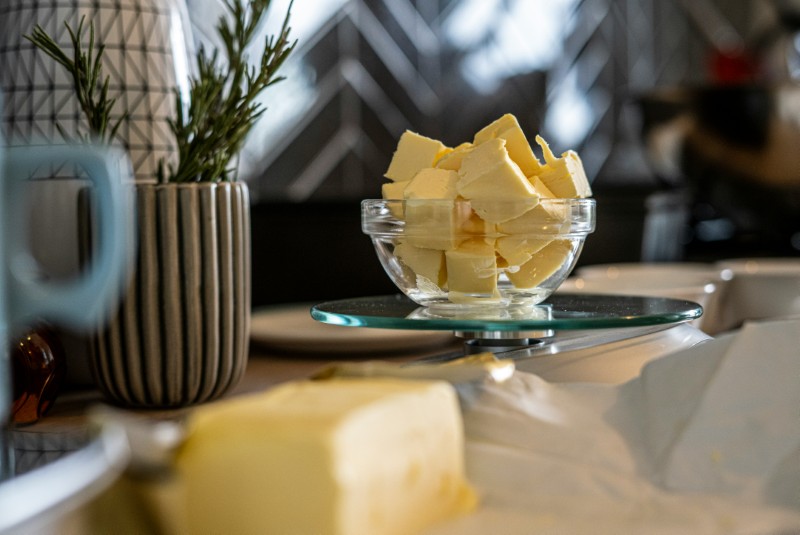
At first glance, fermented soybean paste and butter might seem like an unusual combination, but together they produce a rich, deeply savory finish.
The butter rounds out miso’s saltiness while the miso adds complexity to the butter’s richness.
Try it with: Corn, salmon, roasted potatoes, noodles
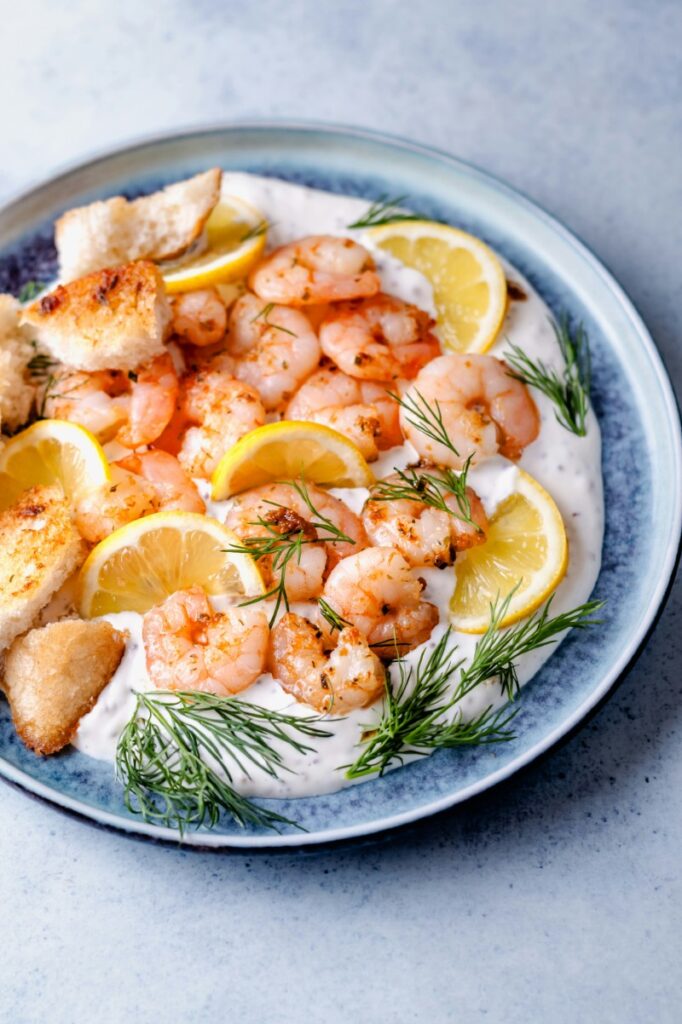
Rich seafood naturally contains umami, while lemon, lime, and other citrus fruits provide acidity that keeps those savory flavors from becoming overwhelming.
Rather than competing, the acidity makes the seafood taste even fresher.
Try it with: Salmon, shrimp, scallops, lobster

As onions slowly cook, they develop sweetness and remarkable depth. Paired with melted cheese, they create a balance of sweet, savory, and creamy flavors.
It’s one reason French onion soup remains such a beloved classic.
Try it in: Burgers, sandwiches, pizzas, soups
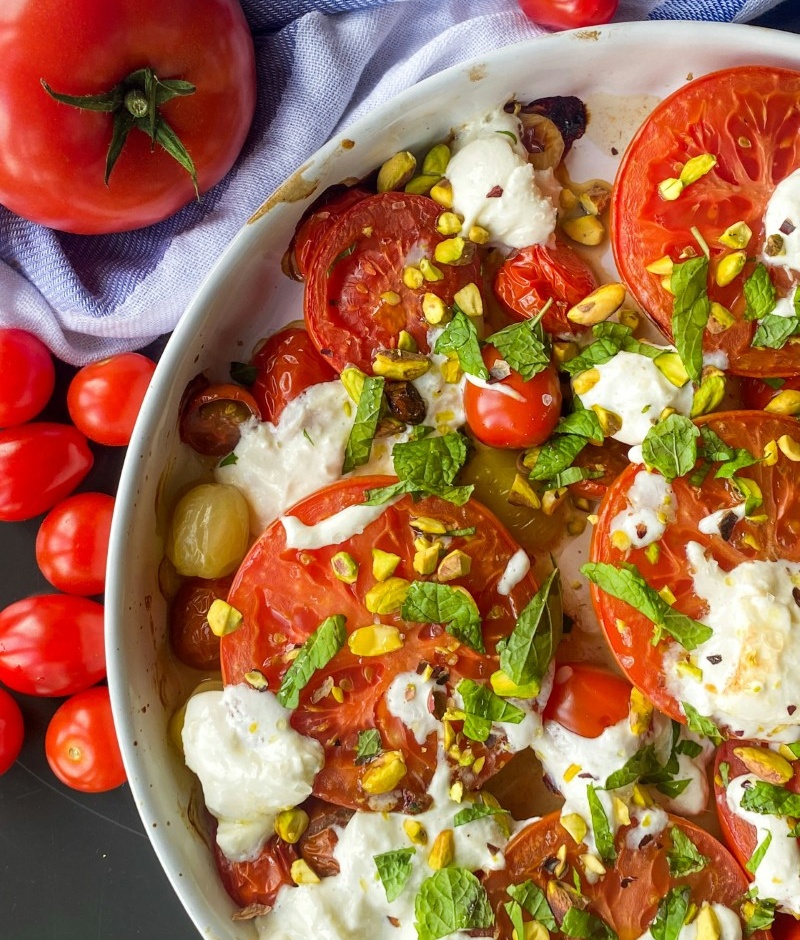
Roasting concentrates tomatoes, intensifying both their sweetness and their natural umami. Mild mozzarella adds creamy richness without overpowering them.
Together, they create a balanced dish that’s simple but full of flavor.
Try it in: Pasta bakes, flatbreads, salads
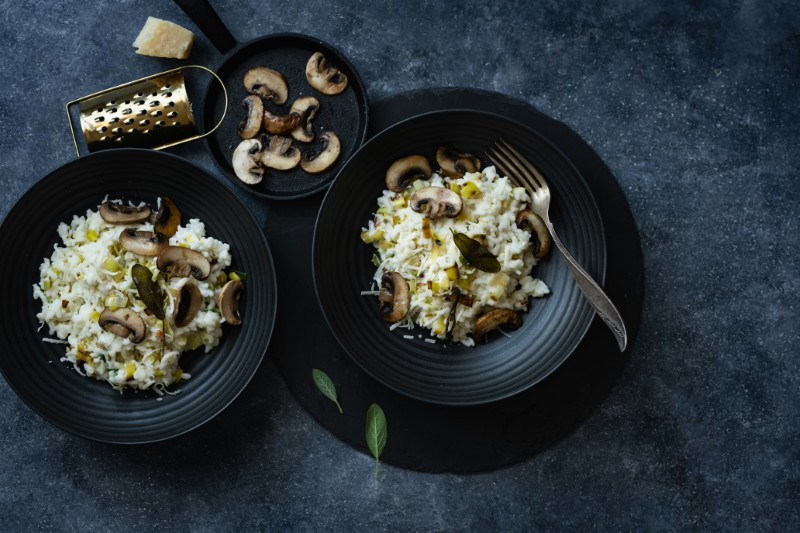
Few vegetarian combinations can rival the savory depth of mushrooms and Parmesan. Their umami compounds reinforce each other, producing a flavor that’s often compared to slow-cooked meat.
It’s one reason this pairing appears so frequently in risottos and pasta dishes.
Try it in: Risotto, creamy pasta, stuffed mushrooms
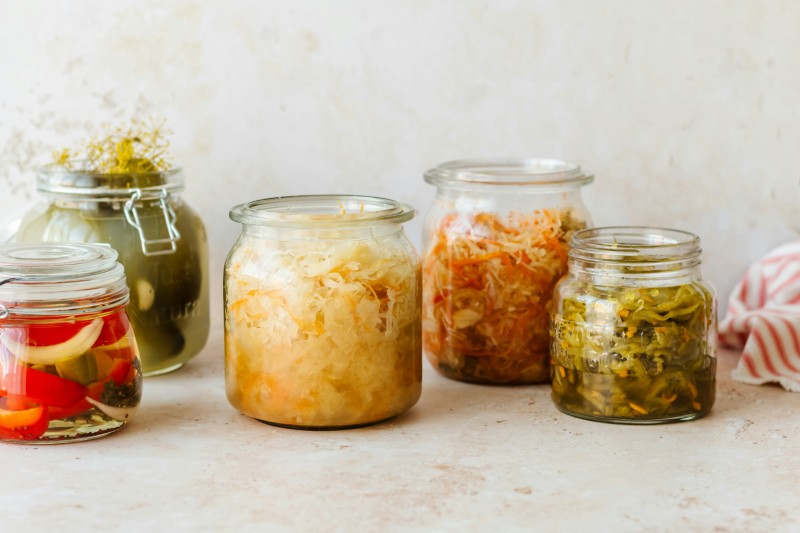
Kimchi, sauerkraut, and fermented pickles combine acidity with natural umami, helping cut through the richness of roasted or grilled meats while adding extra complexity.
The contrast between rich and tangy keeps every bite interesting.
Try it with: Pork, brisket, sausages, fried chicken
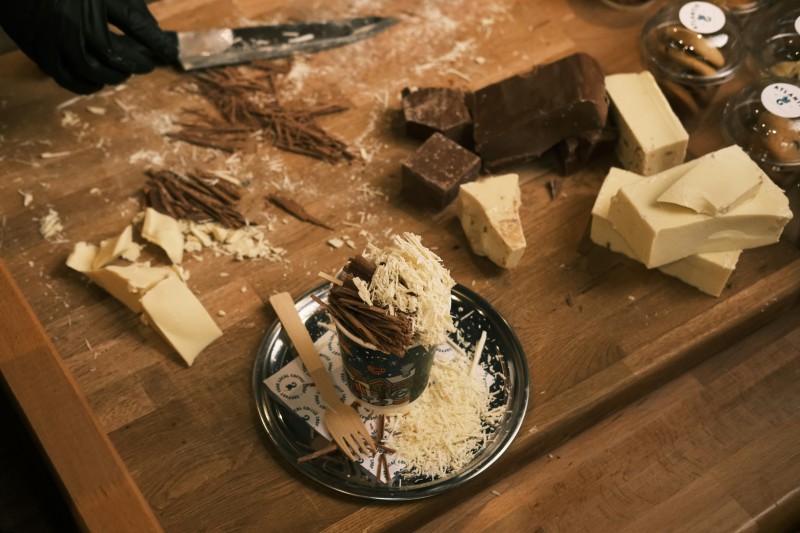
It may sound unconventional, but aged Parmesan and dark chocolate share complex, nutty, slightly bitter flavor notes. Small pieces enjoyed together create a surprisingly balanced tasting experience.
It’s an adventurous pairing that’s becoming increasingly popular on gourmet cheese boards.
Try it as: A dessert course or wine pairing
Not every great pairing relies on matching similar flavors. In many cases, contrast is what makes a combination memorable. Bright acidity cuts through richness, sweetness softens salty foods, and fresh herbs lift deeply savory dishes.
Umami works especially well because it forms the foundation of many meals. Once that savory base is established, contrasting flavors have something substantial to build upon.
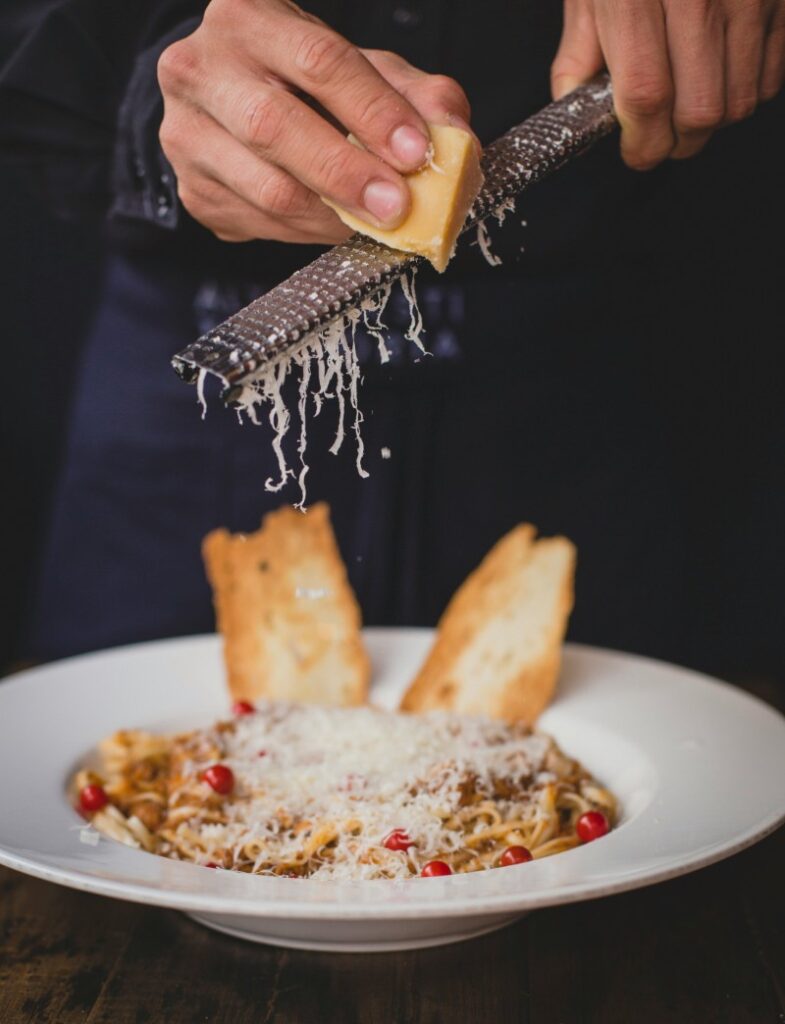
You don’t need to overhaul your recipes to benefit from umami. A sprinkle of grated Parmesan, a spoonful of tomato paste, a dash of soy sauce, or a handful of sautéed mushrooms can dramatically deepen a dish’s flavor.
Building layers of umami is one of the simplest ways to make home-cooked meals taste more satisfying without relying on excessive salt or butter.
Umami is often described as the flavor that makes food crave-worthy, and understanding how it works can transform the way you cook. Pairing naturally savory ingredients like mushrooms, aged cheeses, tomatoes, soy sauce, beef, and fermented foods creates remarkable depth, while balancing them with acidity, herbs, or sweetness keeps every bite lively.
Once you start recognizing umami-rich ingredients, you’ll notice them everywhere—from pasta sauces and soups to burgers, salads, and even breakfast. Mastering these pairings is one of the easiest ways to create meals that taste richer, more balanced, and full of flavor.