


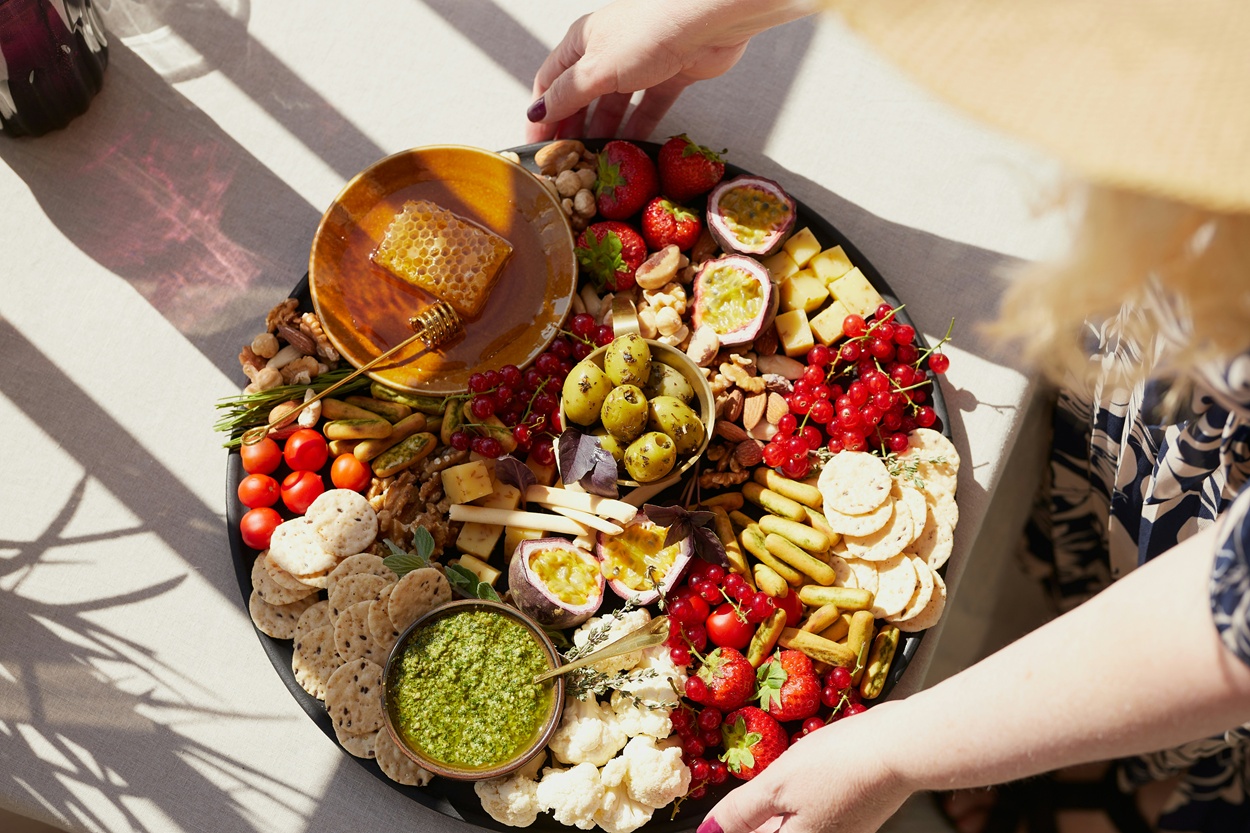
A great charcuterie board is all about contrast.
Rich cured meats, creamy cheeses, crunchy crackers, salty nuts, and tangy pickles each play an important role, but fruit is often the ingredient that ties everything together.
It adds sweetness, acidity, color, and freshness, creating a welcome balance that keeps every bite interesting.
The best fruits for charcuterie don’t just look beautiful — they also complement the flavors already on the board.
Juicy grapes cut through the richness of aged cheeses, crisp apple slices pair beautifully with sharp cheddar, while fresh figs and pears bring a subtle sweetness that works wonderfully alongside salty prosciutto and blue cheese.
Whether you’re assembling a simple cheese plate for two or an impressive grazing board for a party, these fruits deserve a place on your next charcuterie spread.
Grapes
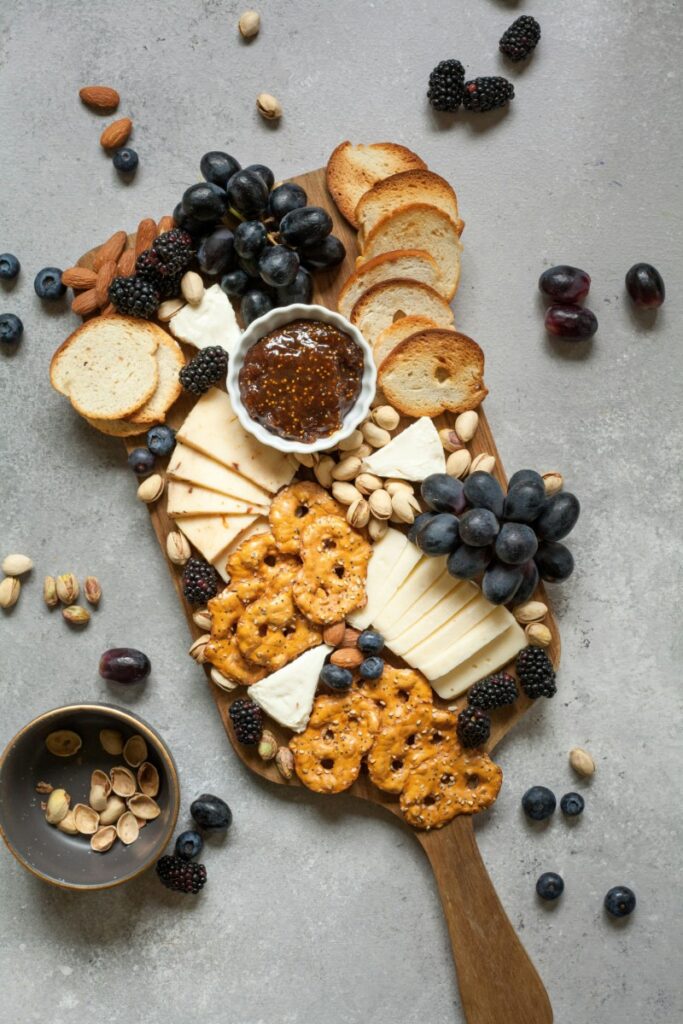
If there’s one fruit that belongs on almost every charcuterie board, it’s grapes. Both red and green varieties offer a refreshing burst of sweetness that pairs well with nearly every type of cheese and cured meat.
Serve them in small clusters to make the board feel abundant and inviting.
Pairs well with: Brie, Gouda, cheddar, Manchego, prosciutto, salami
Apples
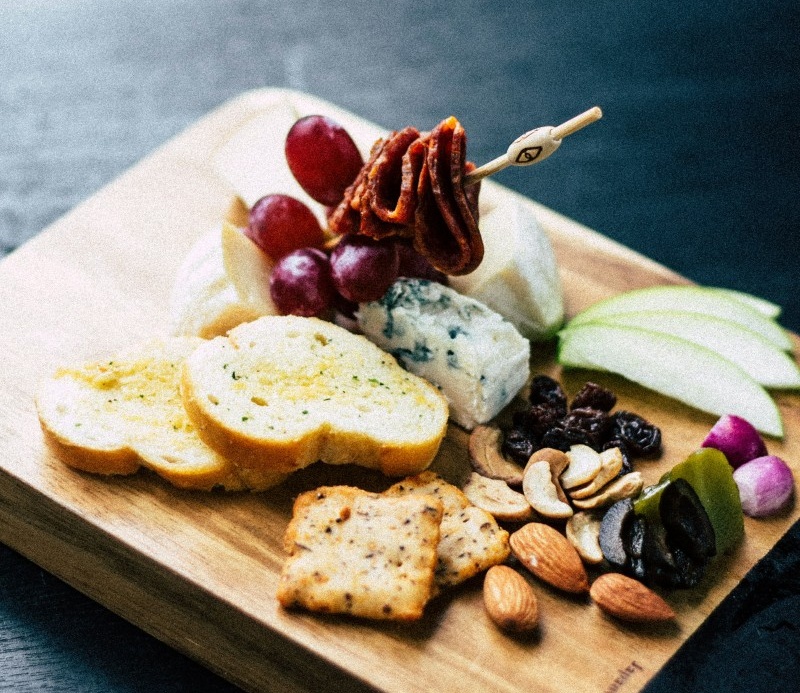
Crisp apples provide sweetness, acidity, and plenty of crunch. Their fresh flavor balances rich cheeses while adding another texture to the board.
To prevent slices from browning, lightly toss them with lemon juice before serving.
Pairs well with: Sharp cheddar, blue cheese, aged Gouda, smoked turkey
Pears
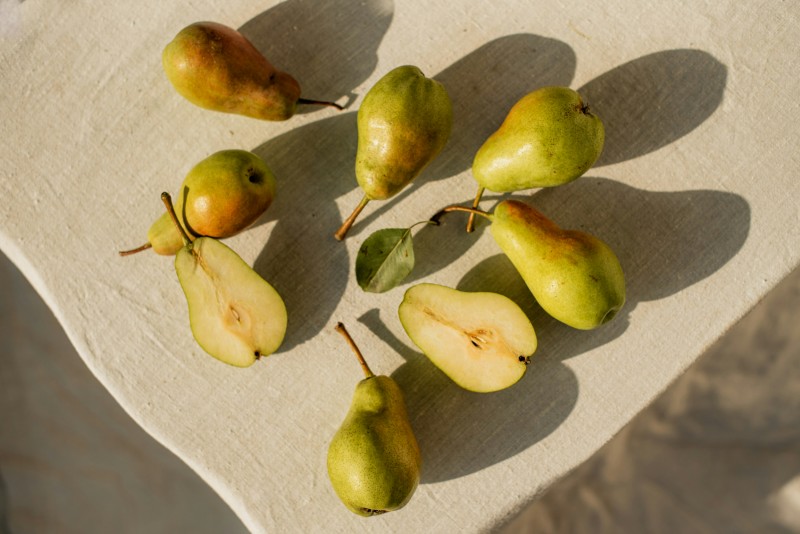
Juicy pears have a delicate sweetness that complements both creamy and salty ingredients. They’re particularly elegant on autumn-inspired boards.
Bosc and Anjou pears are excellent choices because they hold their shape well after slicing.
Pairs well with: Brie, Camembert, Gorgonzola, prosciutto
Fresh figs
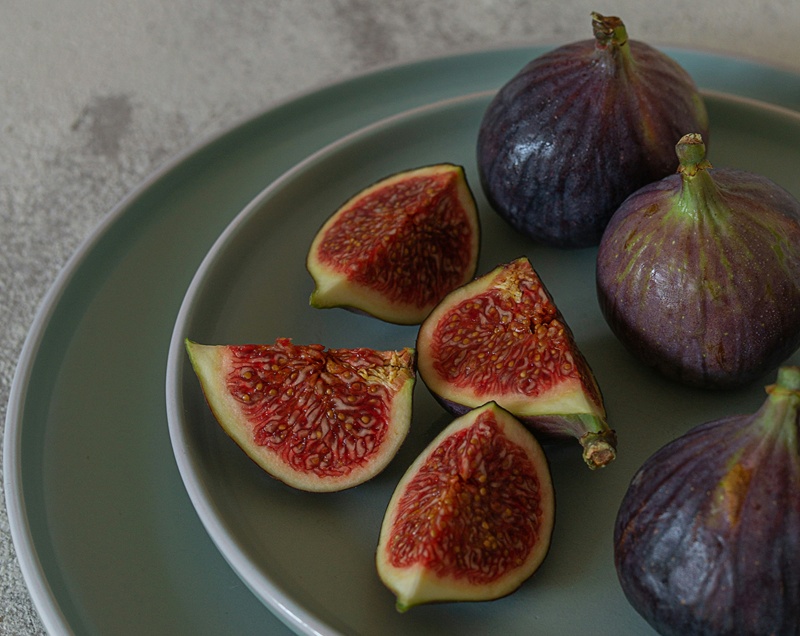
Fresh figs have become a charcuterie favorite thanks to their soft texture, honey-like sweetness, and attractive appearance.
Slice them in half to showcase their beautiful interior.
Pairs well with: Goat cheese, blue cheese, prosciutto, walnuts
Dried figs
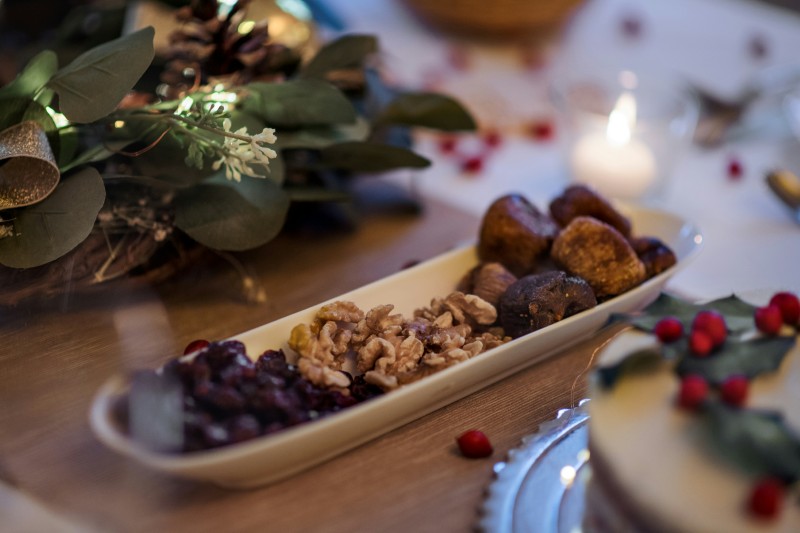
When fresh figs aren’t in season, dried figs offer concentrated sweetness and a pleasantly chewy texture.
They’re also easy to prepare and available year-round.
Pairs well with: Manchego, Parmesan, aged cheddar
Strawberries
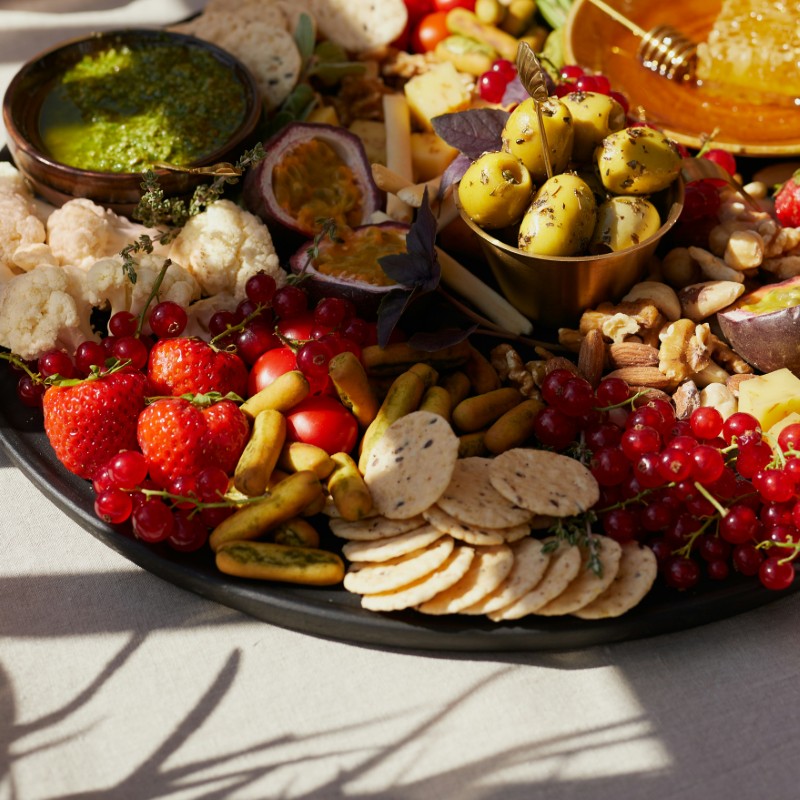
Bright, juicy strawberries add vibrant color and a touch of natural acidity that balances richer cheeses.
Their sweetness also pairs beautifully with creamy cheeses.
Pairs well with: Brie, mascarpone, fresh mozzarella
Blueberries
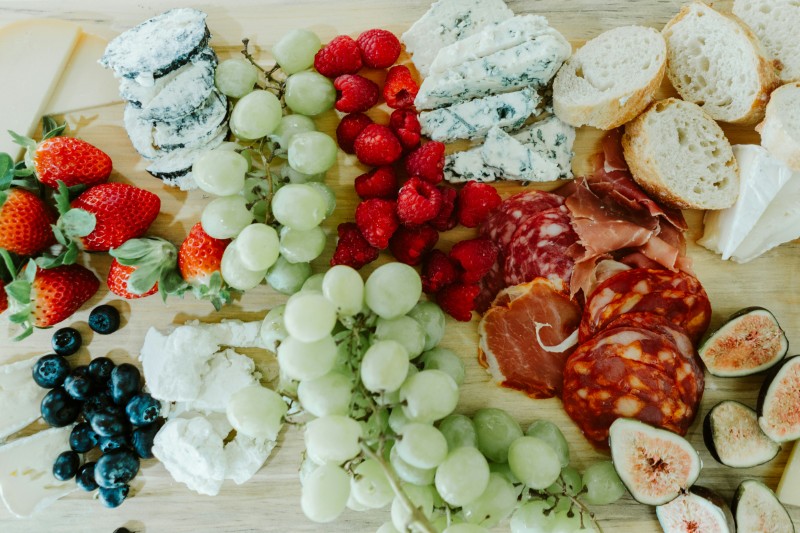
Blueberries are easy to scatter around a board, filling empty spaces while adding fresh flavor and color.
Their mild sweetness complements both soft cheeses and cured meats.
Pairs well with: Goat cheese, Brie, smoked ham
Blackberries
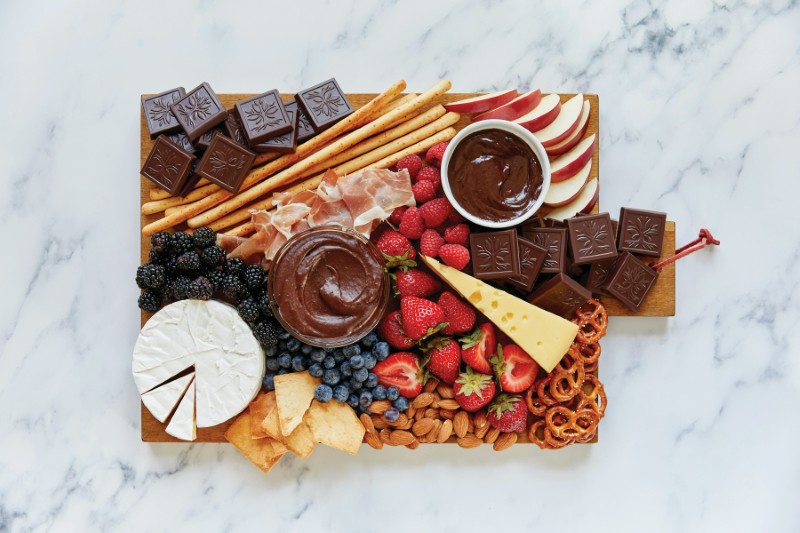
Blackberries offer a deeper sweetness balanced by pleasant tartness. Their bold color also makes any charcuterie board more visually appealing.
Pairs well with: Camembert, Brie, blue cheese
Raspberries
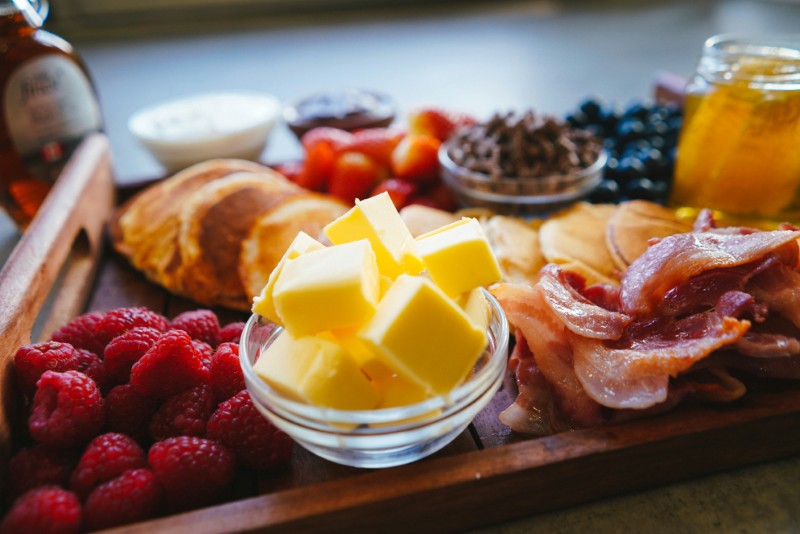
Soft, slightly tart raspberries pair especially well with creamy cheeses and mild cured meats.
Handle them gently, as they’re more delicate than many other berries.
Pairs well with: Goat cheese, mascarpone, Brie
Cherries
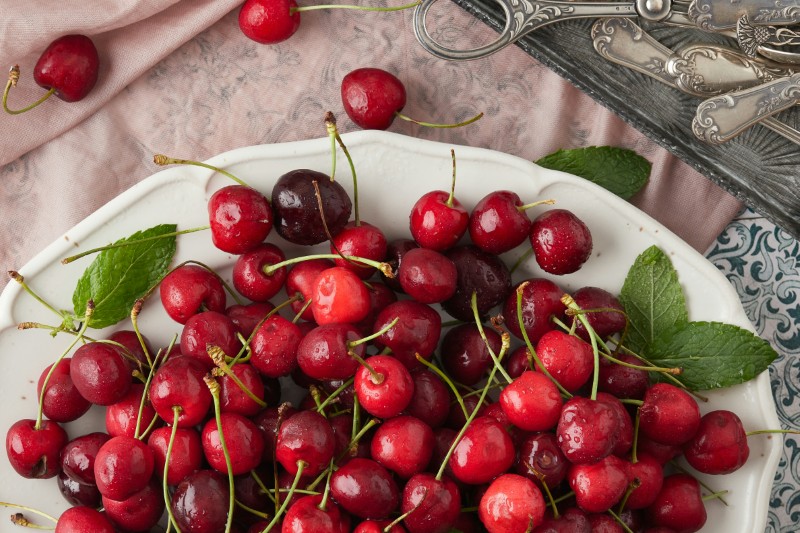
Fresh cherries provide sweetness with just enough acidity to refresh the palate between bites.
If serving whole cherries, be sure to provide a small bowl for the pits.
Pairs well with: Manchego, cheddar, smoked meats
Pomegranate seeds
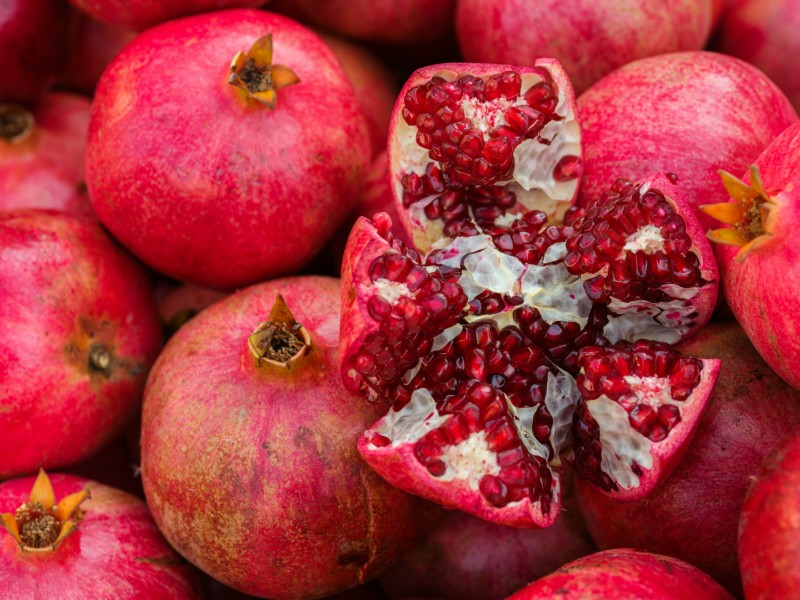
Pomegranate seeds add bright pops of sweetness, acidity, and crunch. Their jewel-like appearance also makes a board look more festive.
They’re particularly popular during the holiday season.
Pairs well with: Goat cheese, feta, roasted nuts
Fresh peaches
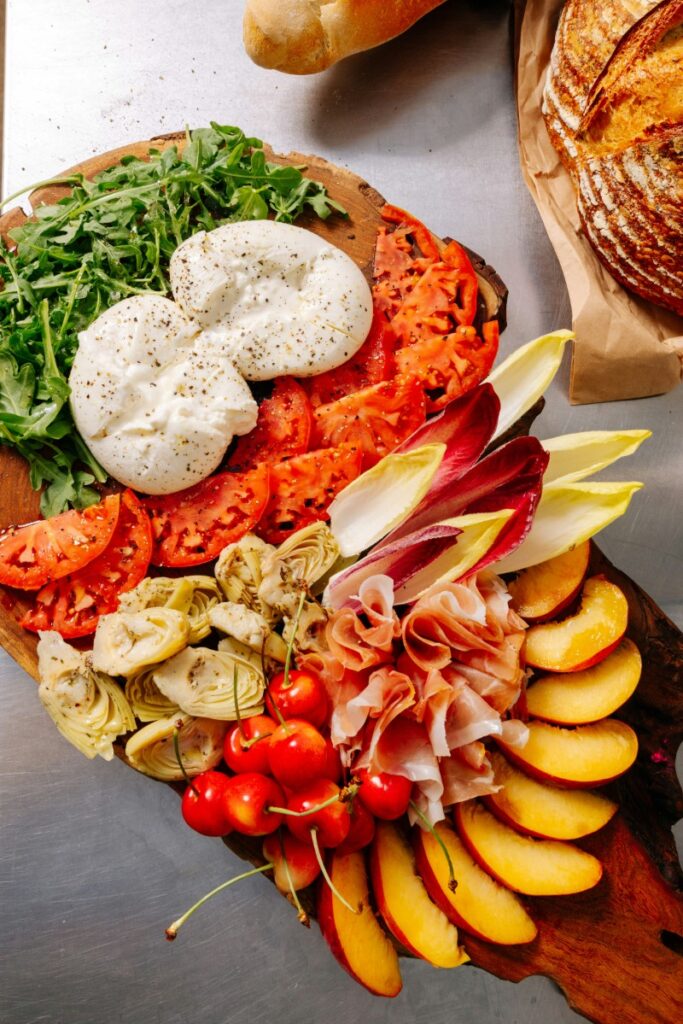
When peaches are in season, few fruits make a charcuterie board feel more summery. Their juicy sweetness pairs especially well with creamy cheeses and cured meats.
Slice just before serving for the freshest flavor.
Pairs well with: Burrata, mozzarella, prosciutto
Apricots
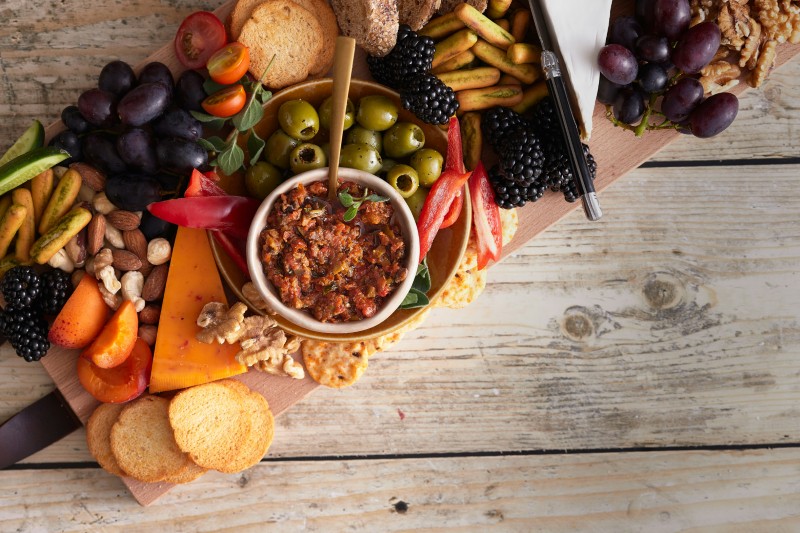
Both fresh and dried apricots are excellent additions. Fresh apricots offer subtle tartness, while dried apricots contribute concentrated sweetness and chewiness.
Pairs well with: Manchego, Gouda, cheddar
Pineapple
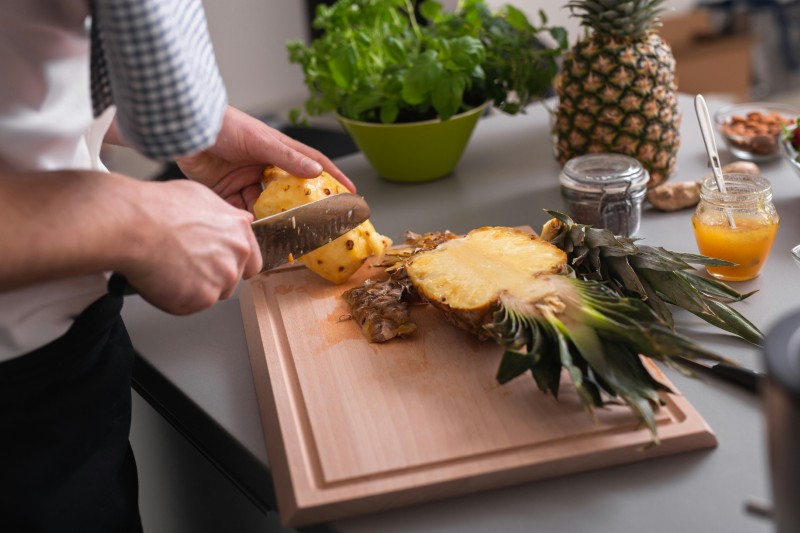
Fresh pineapple may be unconventional, but its bright acidity and tropical sweetness provide a refreshing contrast to salty meats and rich cheeses.
Keep the pieces bite-sized for easy serving.
Pairs well with: Ham, smoked Gouda, Monterey Jack
Orange slices
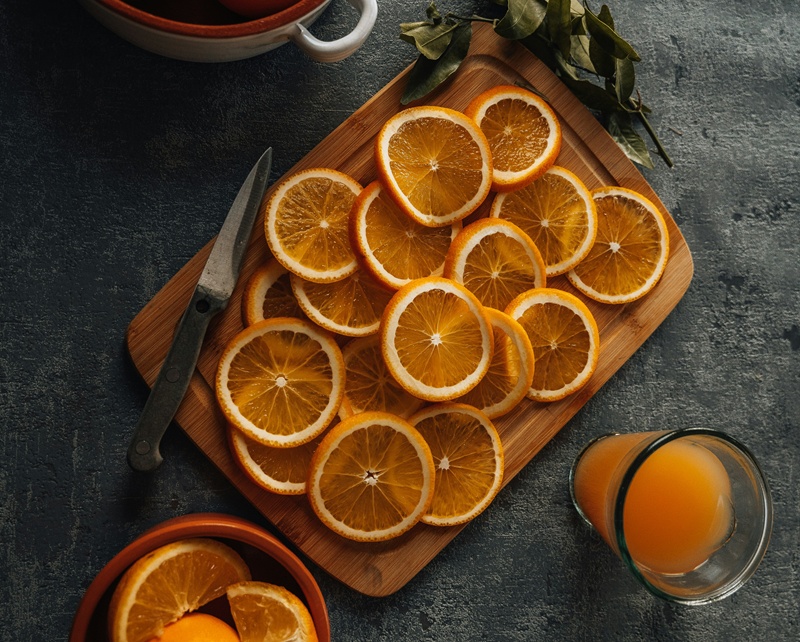
Thin slices of oranges—or even blood oranges—bring citrusy brightness and vibrant color to a charcuterie board.
They’re particularly effective on winter-themed spreads.
Pairs well with: Brie, goat cheese, almonds
Kiwi
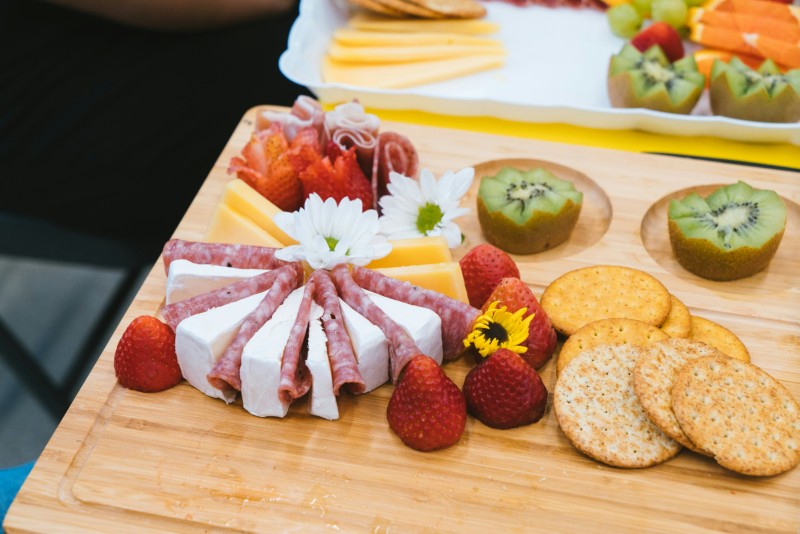
Kiwi adds both color and a pleasantly tart flavor. Its unique appearance also helps create visual variety among more traditional fruits.
Pairs well with: Fresh cheeses, mild cheddar, grapes
Dried cranberries
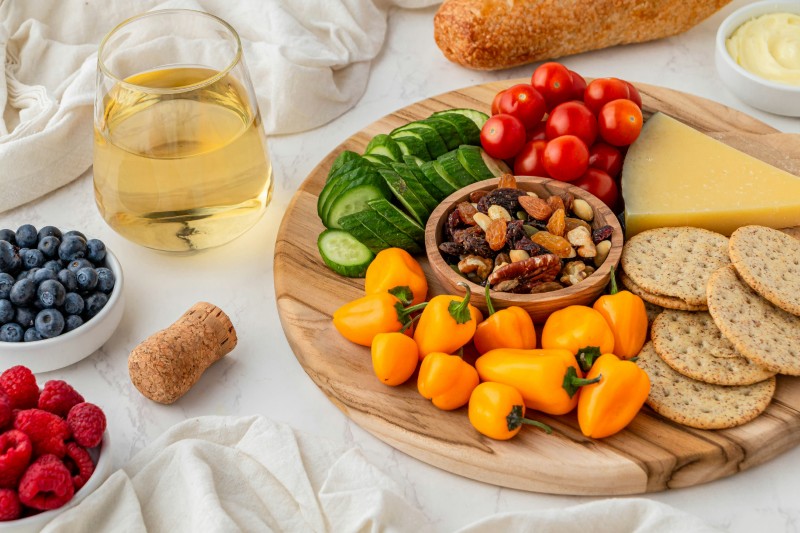
Dried cranberries are a simple way to add sweetness and a hint of tartness without taking up much space.
Scatter them around the board to fill small gaps.
Pairs well with: White cheddar, Brie, pecans
Dates
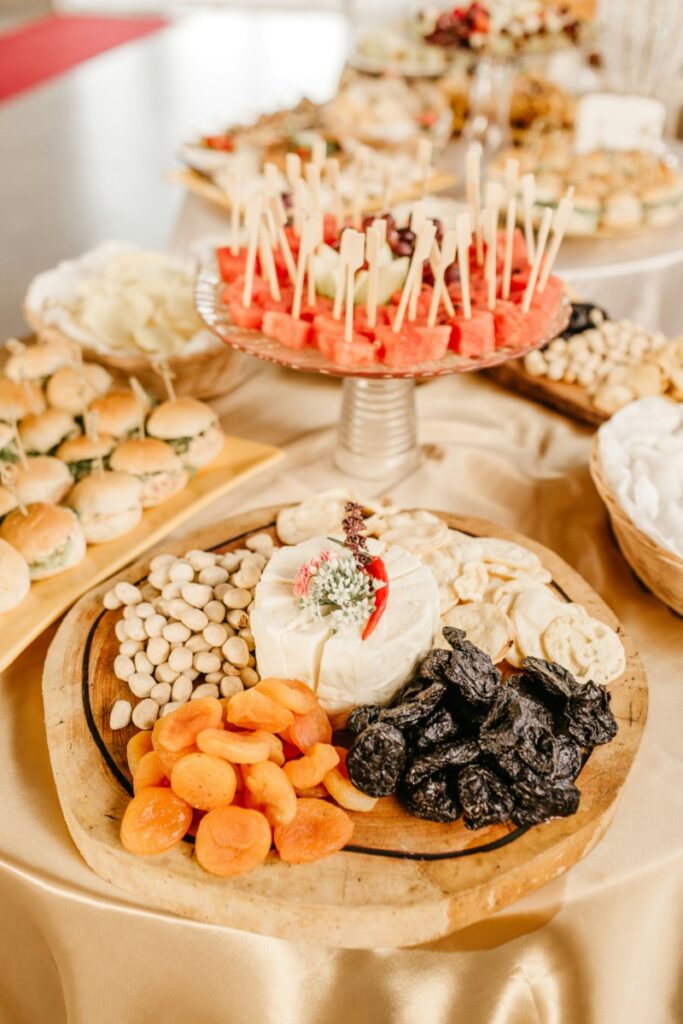
Dates are rich, caramel-like, and naturally sweet, making them one of the best companions for salty cheeses and cured meats.
Medjool dates are especially soft and flavorful.
Pairs well with: Blue cheese, goat cheese, prosciutto, walnuts
Tips for choosing fruit for a charcuterie board
Aim for a variety of colors, textures, and flavors rather than relying on a single type of fruit.
Combining crisp apples, juicy grapes, soft figs, bright berries, and chewy dried fruit creates a board that’s more visually appealing and offers something for every palate.
Seasonality also makes a difference. Summer boards shine with peaches, berries, and cherries, while autumn and winter spreads benefit from pears, apples, pomegranates, citrus, and dried fruits.
Whenever possible, serve fruit fresh, ripe, and easy to eat. Slice larger fruits into bite-sized pieces, remove pits where practical, and keep delicate berries chilled until just before serving.